Hello Meta

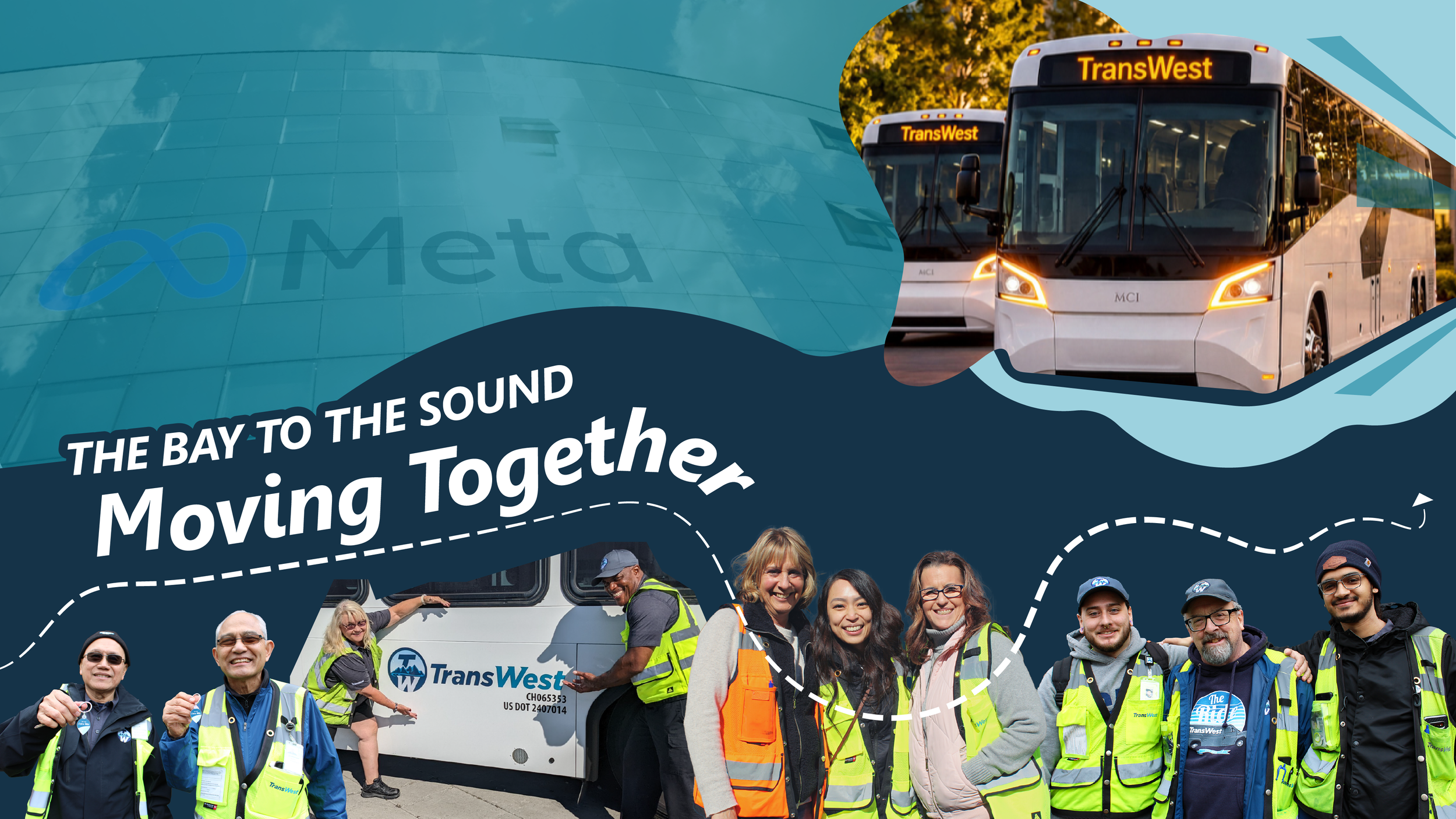
We’d love to partner with you to build the next generation of mobility in The Bay and PNW.

The Bay. The Sound. Better Together.

Our Launch Plan

TransWest Launch Plan - Meta Transit Program (Illustrative)
Meta Bay Area and Pacific Northwest Transit Program · illustrative

From award to first day of service, every line accounted for.

This is the master launch plan TransWest Team Members run for every new program, shown against Meta's commuter and intercampus service as we understand it from the RFP, the Statement of Work, and bidder Q&A. The sequencing and dependency logic are real. The counts and dates are illustrative and get rebuilt once award scope, the yard split, and a first day of service are set.

231tracked line items
15workstreams
7functional teams
5yards
16week working runway
Working draft, not a committed plan

Meta has not set an award or start date, the scope can land on one region or both, and central dispatch can stay with the operator or return to Meta. Week zero is a relative anchor rather than a date. What is stable here is the sequence: what has to happen, in what order, and what each line waits on. Paddle counts, headcount, and yard assignments get filled in after final scoping.

Five yards, one launch

Every yard runs the same plan on the same clock.

Meta's four Bay Area yards are Meta-leased and stay where they are. The Pacific Northwest yard is ours to source. Each yard gets its own Location Manager, its own readiness check, and its own day one command post.

50 paddles
Newark · 8130 Enterprise Drive
66 shuttles in service and room for 110. The largest yard in the program, serving the East Bay and South Bay.
41 paddles
San Francisco · 1200 Mississippi Street
51 shuttles in service and room for 95, serving San Francisco, the North Bay, and the East Bay. Every unit runs under TransWest's own SFMTA Commuter Shuttle permit.
35 paddles
Burlingame · 1848 Rollins Road
40 shuttles in service and room for 82, serving the Peninsula and South Bay.
14 paddles
Redwood City · 1831 East Bayshore Road
Transit vans and BYD electric units serving the Menlo Park campus and one Burlingame route. Charging schedules and ViriCiti access are set before cutover.
29 paddles
Pacific Northwest · yard sourced by TransWest
41 shuttles in service across Seattle, Redmond, and Bellevue, with 45 coaches on Meta's fleet schedule. The yard is sized for the full fleet, Team Member parking, and room to grow, backed by our Puget Sound dispatch, training, and maintenance network.
169 paddles
One program across two regions
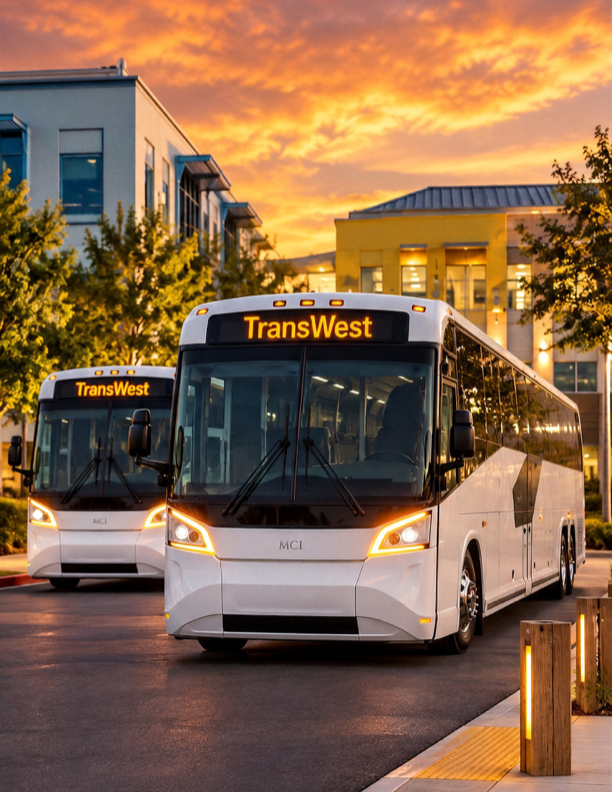
217 shuttles in service today and 244 units on Meta's fleet schedule, spares included. Every one of them is walked, documented, and released for service before the first TransWest pull-out.
What sets the clock on this program

People are the critical path, not the fleet.

Meta supplies the vehicles, the spares, and the Bay Area yards, so there is nothing to order and no build slot to wait on. The longest line runs from contract execution to the last driver qualified and trained under our program. Whatever the final scope, three consequences hold.

About 200 drivers
Every driver qualified fresh, incumbents included
Meta's Statement of Work calls for a seven-year background and reference check, a clean DMV record, a current medical certificate, negative pre-employment drug and alcohol screens, and three years of continuous in-state licensure. Prior checks carry over only for drivers continuously employed by the operator for twelve months, so every transitioning driver is screened under our program. That queue, not recruiting, sets the pace.
16 weeks
Working runway from contract to day one
Four weeks to receive Meta's data and set transition terms, five weeks of incumbent offers with qualification running underneath, and three training waves that finish two weeks before cutover. Readiness gates at six, three, and one week out give Meta a clear go or no-go. It is the same envelope as our last enterprise launch, which ran 115 days from award to day one.
244 units
Every vehicle baselined before keys change hands
Meta carries no physical damage coverage on its fleet, and the operator is responsible for each unit in its care. Before cutover, TransWest and Meta walk every unit together and photograph body, interior, restrooms, lifts, racks, and tires. Meta gets a clean record on day one, and the body repair standard is enforceable from the first week.
The workforce transition

Incumbent drivers first, then three training waves.

Driver headcount follows the final paddle count and extra board, so the cohorts below are shaped to roughly 200 drivers across five yards and get resized once award scope settles. What does not move is the order: the people who already know Meta's riders, routes, and stops hear from us first, and open-market hiring fills only the seats that remain. Every driver, transitioning or new, meets the same qualification standard and completes our training before a first paddle.

01
Wave 1, T−10 to T−6
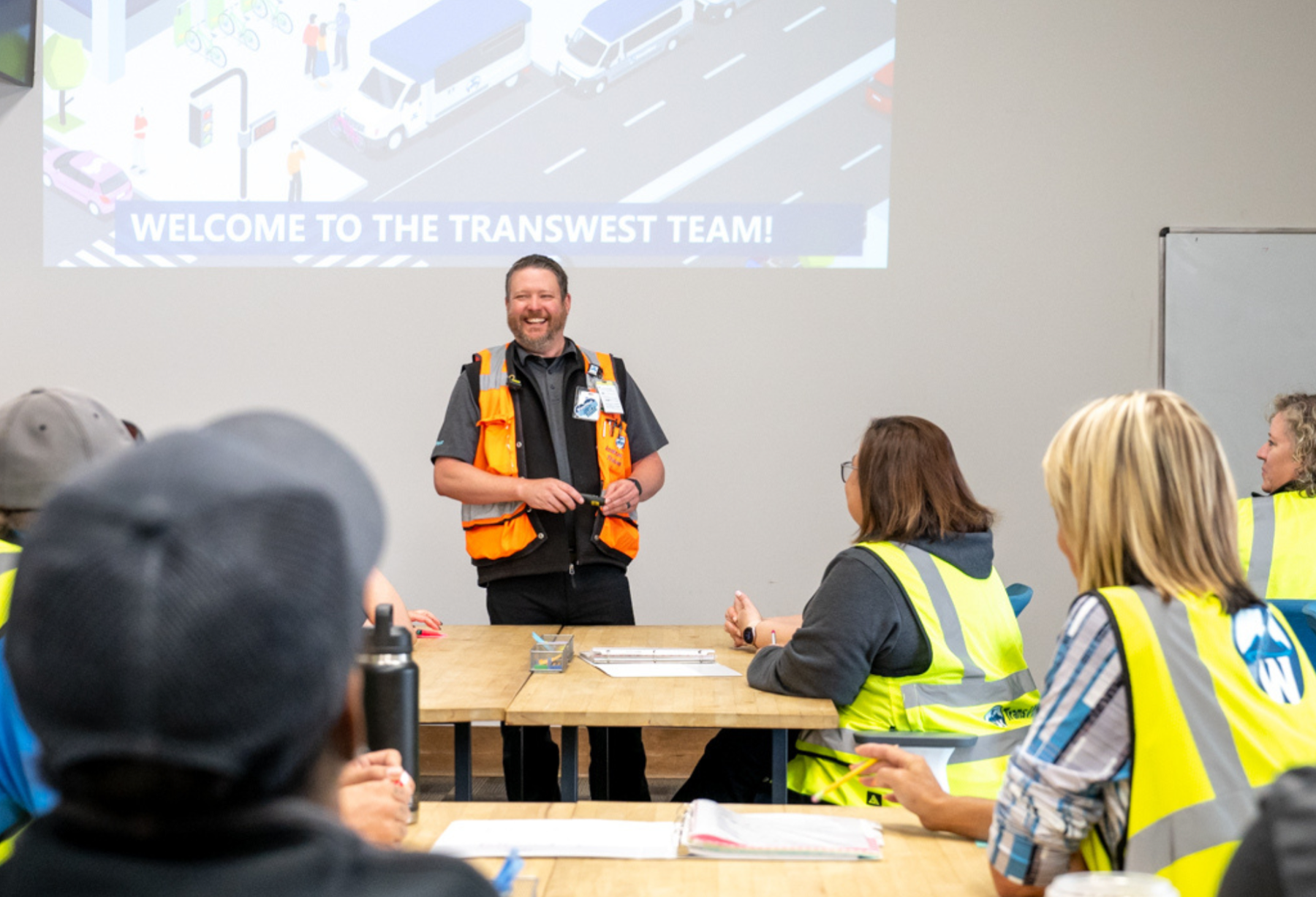
Information sessions at every yard on every shift, then offers to the current workforce before anything is posted. Training runs in midday split windows and on weekends, so nobody has to give up a current paddle to prepare for the next one.
02
Wave 2, T−7 to T−4
Open-market hiring by yard, only for the seats the transition did not fill. New hires complete full new driver training, then ride along on live Meta routes with Meta's approval.
03
Wave 3, T−5 to T−2
The extra board and final cohort, built to meet the 30 minute route coverage standard on day one. Vehicle-specific training covers double deckers, tag axles, wheelchair lifts, and the electric fleet. Everyone is service ready at T−2.
2 regional bases
A bench behind the roster
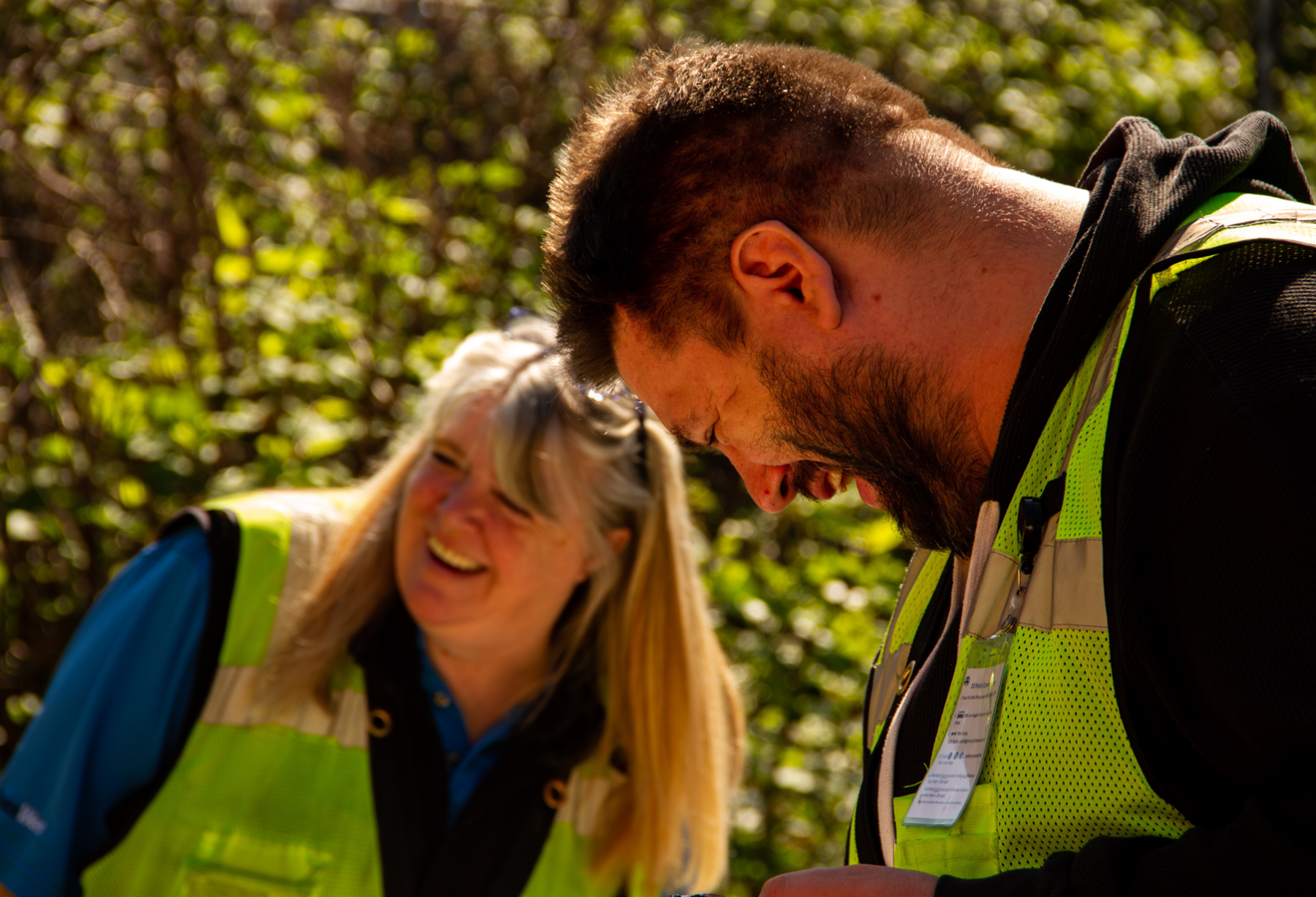
Cross-trained Team Members from our Puget Sound network and our Sunnyvale base back up the launch roster, so a late resignation or a sick call in cutover week does not become a canceled trip.
3:1
Interviews per open-market hire
Our last enterprise launch ran 855 interviews for 260 Team Members. Incumbent conversion moves this ratio more than anything else, which is why the transition comes first.
1 file per driver
Meta's screen and ours, run as one queue
Every driver clears TransWest qualification and Meta's contingent worker background screen policy before a first paddle. We run both as one queue with one file per driver, audited at T−2, so nobody waits on paperwork in cutover week.
Proof, not promise

Our most recent enterprise launch, by the numbers.

The plan is not theoretical. Here is how it played out on a 260 Team Member enterprise commuter program in the Puget Sound region: 115 days from notification of award to first day of service.

Day 1
Notification of award
On March 7, TransWest was notified of award and intent to contract. The clock started.
5
Agreements executed
MOSA, SOW, terms and conditions, code of conduct, and POWA negotiated and dually executed.
175
Scopes confirmed
The initial project team assigned and confirmed 175 different scopes to complete before day one.
260
Team Members added
Hiring and onboarding initiatives kicked off to support adding 260 Team Members to the program.
3,764
Steps to launch
Launch was bifurcated into teams across hiring, fleet, contracting, and knowledge transfer, completing 3,764 tracked steps.
855
Interviews in six weeks
With our client's support, we turned an on-site facility into a recruiting machine.
7 days a week
Available when candidates were
Early mornings, middays, nights, and weekends made interviews accessible to anyone currently employed elsewhere.
75 pizzas
One cutover weekend
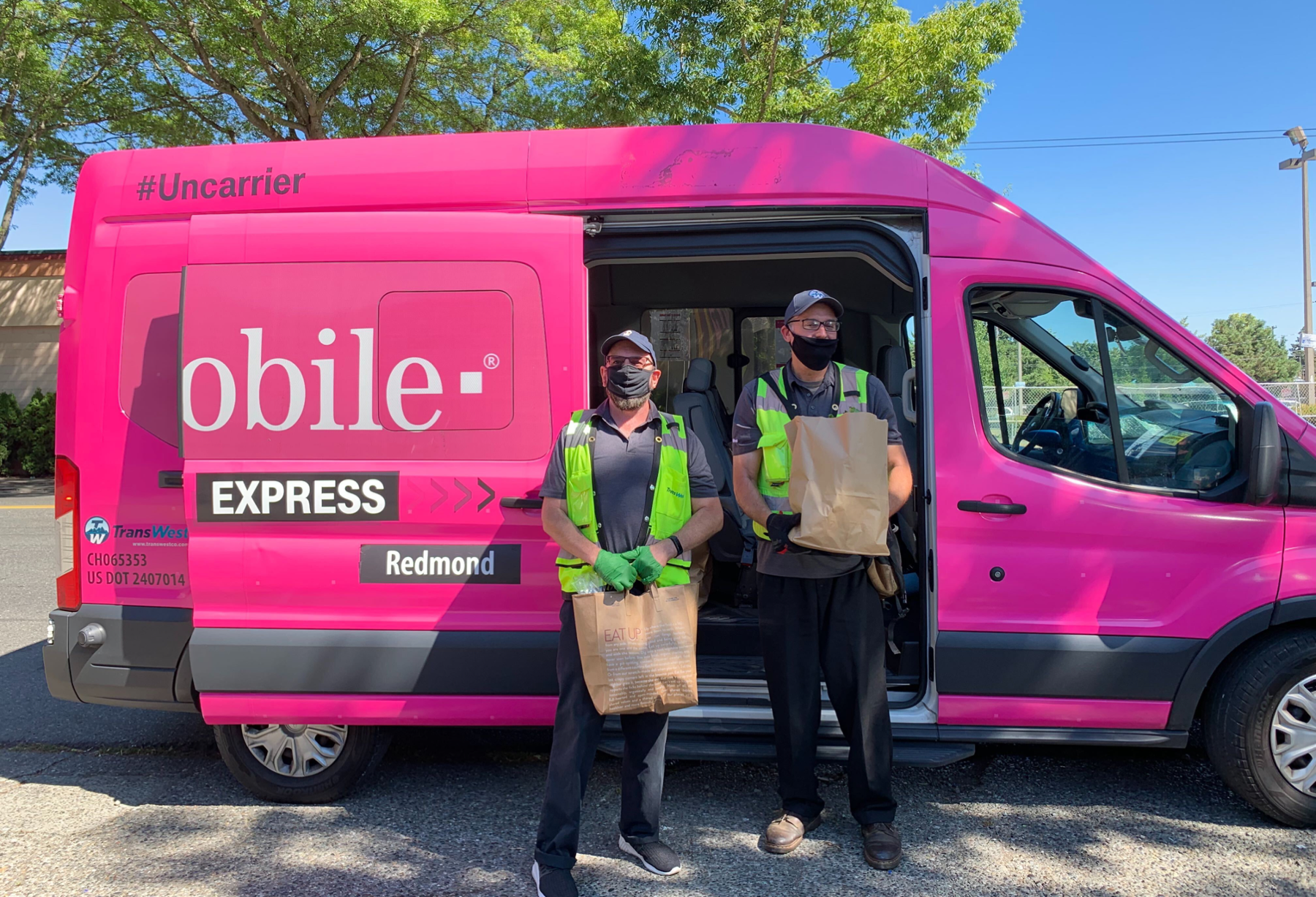
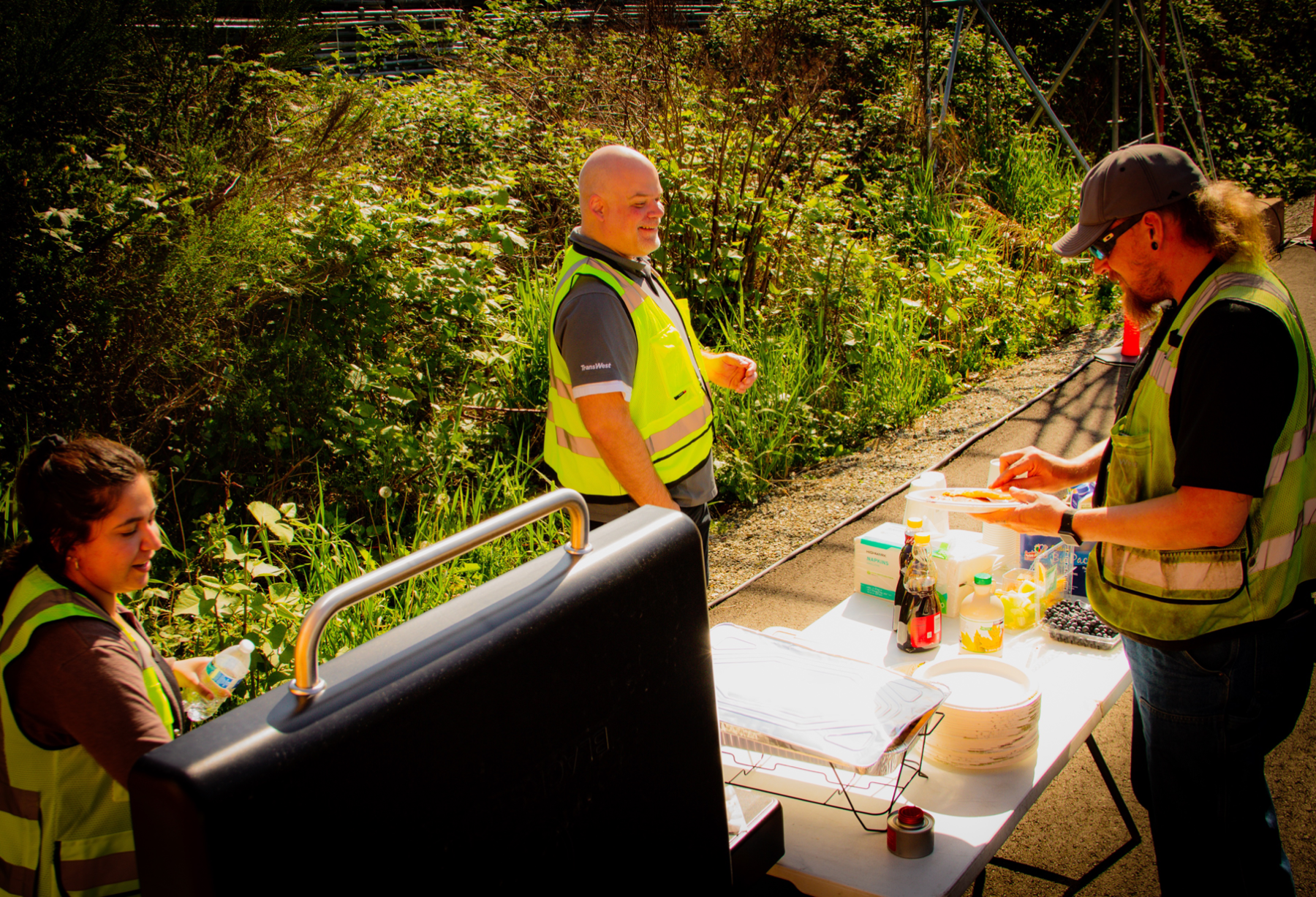
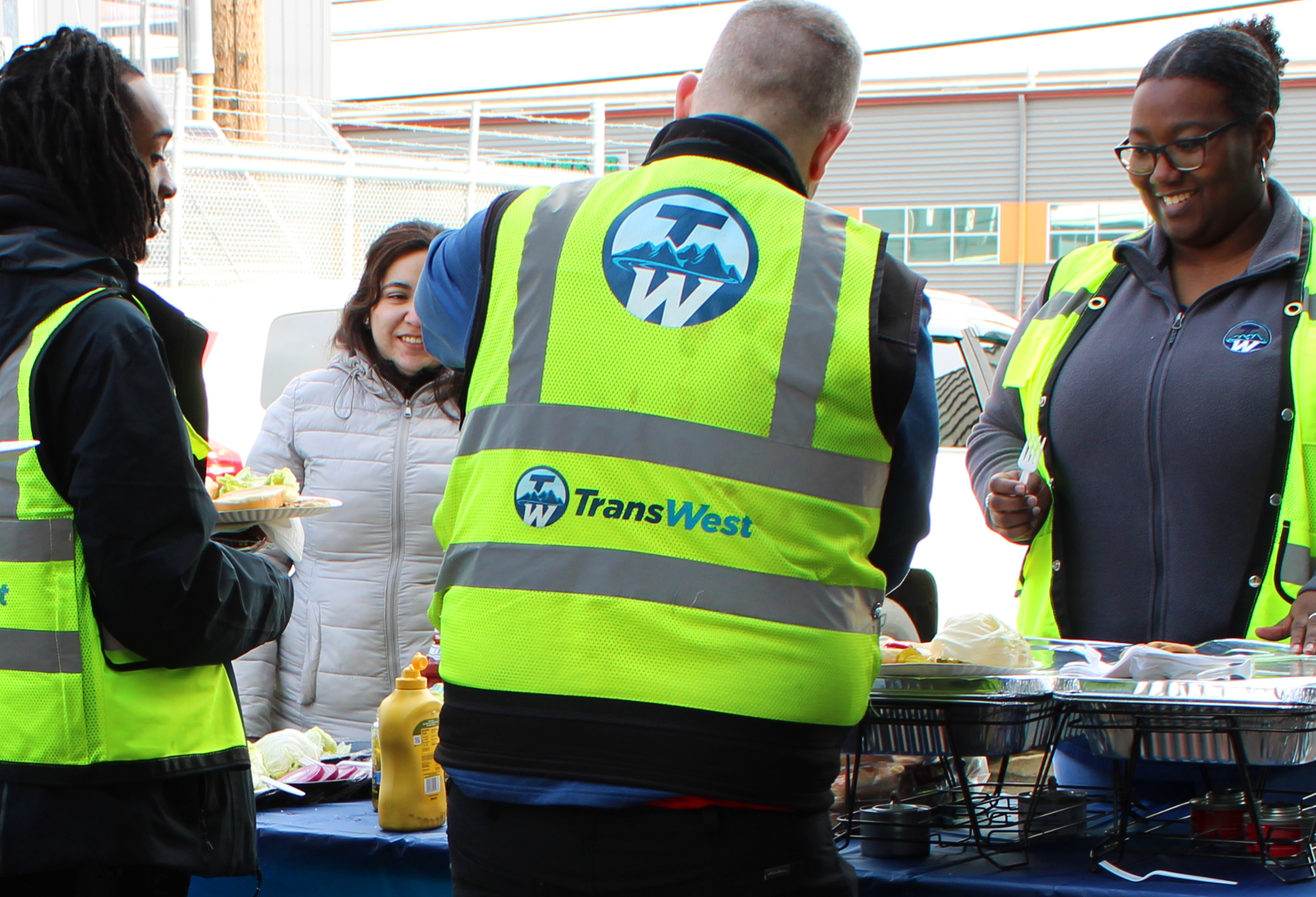
Two days. 400 donuts, about 400 hot dogs, 200 burgers, 37 iced vanilla lattes, an office cot, a rooftop tent, one wedding, one baptism, a dance recital, one trip to the hospital, and memories that will stay with us for life.
8,000+
Hours to support launch
Every function contributed hours directly tied to the program, leading up to a flawless June 30 first day of service.

How to read this plan. Timing is shown in weeks relative to first day of service. Hover over any line to see its window and what it depends on; lines highlighted in green are its upstream dependencies. The sequencing here is not decorative. It is the same dependency logic our launch team manages task by task, so nothing is discovered late and day one feels effortless for Meta's riders. Requirements shown reflect Meta's RFP, Statement of Work, and compiled bidder Q&A. Confirmed award scope, the yard split, and a required first day of service are what turn this into a plan we can commit to.

TransWest Meta Transit Program, illustrative launch plan Enjoy the Ride.

Enjoy the Ride